Skip to content

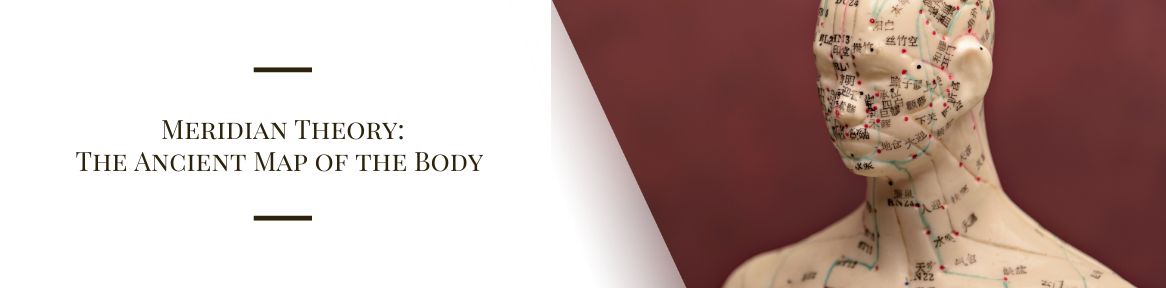
Meridian Theory: The Ancient Map of the Body

Meridian Theory: The Ancient Map of the Body

For thousands of years, practitioners of Traditional Chinese Medicine (TCM) have described the human body using a very different “anatomy” than modern Western medicine. Instead of nerves, vessels, and organs alone, they spoke of an energetic network or a communication system linking every structure, function, and sensation.

This network is called the meridian system. Today, interest in acupuncture, fascia research, bioelectric signaling, and integrative medicine has brought Meridian Theory back into scientific conversation. Researchers are now asking: Are meridians symbolic or do they represent real physiological pathways? continue reading »

Posted in Acupuncture, Traditional Chinese Medicine | Tagged , , , , | Comments Off on Meridian Theory: The Ancient Map of the Body

How Acupuncture Complements Sports Medicine: An Integrated Approach

How Acupuncture Complements Sports Medicine: An Integrated Approach

Modern sports medicine has evolved far beyond rest, ice, and painkillers. Today’s athletes, both professional and recreational alike, are increasingly supported by multidisciplinary care teams that may include physicians, physical therapists, athletic trainers, chiropractors, nutritionists, and mental performance coaches. Within this integrated model, acupuncture has emerged as a powerful complementary therapy, bridging ancient medical wisdom with contemporary sports science. continue reading »

Posted in Acupuncture, Pain Management, Sports injury | Tagged , , , , | Comments Off on How Acupuncture Complements Sports Medicine: An Integrated Approach

When Your Next Meal is Part of the Treatment Plan

When Your Next Meal is Part of the Treatment Plan

For many chronic health issues, everyday exposures matter most. Food isn’t only fuel. It’s raw material, signaling molecules, and a daily set of “instructions” your body reads repeatedly.

The idea of food as medicine isn’t new. It shows up in traditional healing systems, in public health, and increasingly in modern clinical research. The most useful way to think about it today is practical and evidence-based:

  • Food can reduce risk (primary prevention).
  • Food can support treatment alongside medical care (adjunct therapy).
  • Food can change symptoms by affecting inflammation, blood pressure, lipids, glucose, the gut microbiome, and even brain signaling.

It won’t replace necessary medications or procedures. But in many cases, it can meaningfully shift the trajectory of health and sometimes quickly. continue reading »

Posted in Diet, Food & Nutrition, Nutrition, Traditional Chinese Medicine | Tagged , , , | Comments Off on When Your Next Meal is Part of the Treatment Plan

Cupping + Acupuncture: More Than the Sum of its Parts

Cupping + Acupuncture: More Than the Sum of its PartsDo any of these scenarios sound like your life: a stubborn knot between the shoulder blades, a low-back flare that keeps returning, or a neck that feels “stuck” after long hours at a desk? Acupuncture needles can calm the nervous system and change pain signaling and cupping can mechanically decompress tight tissue and improve local circulation. Used together thoughtfully and safely they’re often paired to help pain move from “sharp and guarded” to “dull and workable,” and then to “resolved or manageable.” continue reading »

Posted in Acupuncture, Cupping, Pain Management, Traditional Chinese Medicine | Tagged , , , | Comments Off on Cupping + Acupuncture: More Than the Sum of its Parts

Chinese & Japanese Acupuncture: Two Traditions, One Lineage

Chinese & Japanese Acupuncture: Two Traditions, One Lineage

Both Japanese and Chinese acupuncture spring from the same classical East Asian medical roots, yet they diverged over centuries into distinct clinical styles. In Japan, techniques evolved toward gentler, highly tactile methods. And in China, the practice of acupuncture tended to emphasize stronger needle sensation and standardized point prescriptions within Traditional Chinese Medicine, also known as TCM. While some have their preferences, neither is “better” than the other. The right choice often depends on the patient’s condition, sensitivity, and their goals. continue reading »

Posted in Acupuncture, Japanese Acupuncture, Traditional Chinese Medicine | Tagged , , | Comments Off on Chinese & Japanese Acupuncture: Two Traditions, One Lineage
607-274-7520 Directions Contact/Schedule