
- Balance Acupuncture & Integrative HealthVillage Green
840 Hanshaw Road
Ithaca, NY 14850607-274-7520
Acupuncture
How an Ancient Therapy Supports Modern Reproductive Health
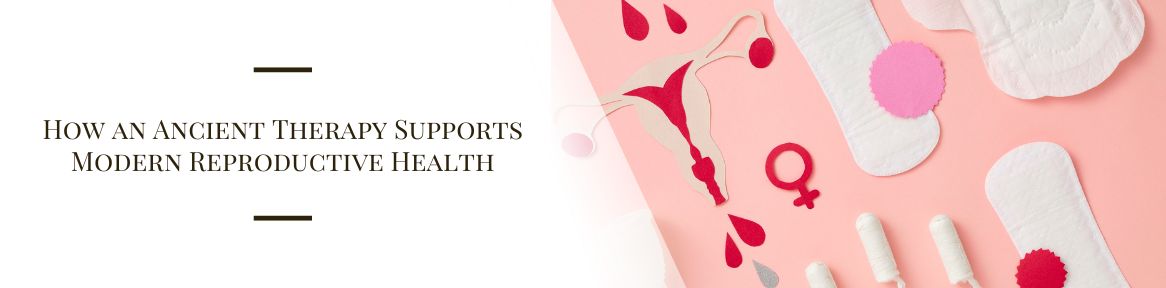
Infertility affects millions of couples worldwide, and for many, the journey to conception involves more than medical testing and assisted reproductive technologies (ART) like IVF. Increasingly, patients and clinicians are exploring integrative care, combining conventional medicine with evidence-informed complementary therapies. Among the most studied of these is acupuncture, a component of Traditional Chinese Medicine (TCM) practiced for more than 2,000 years.
Today, acupuncture is not viewed simply as an “alternative” therapy, but as a supportive physiological intervention that may influence hormonal regulation, blood flow, stress response, and reproductive function. While research findings are mixed and nuanced, a growing body of clinical evidence suggests acupuncture can play a valuable adjunct role in fertility treatment and natural conception efforts. continue reading
The Benefits of Gua Sha: Ancient Technique, Modern Science
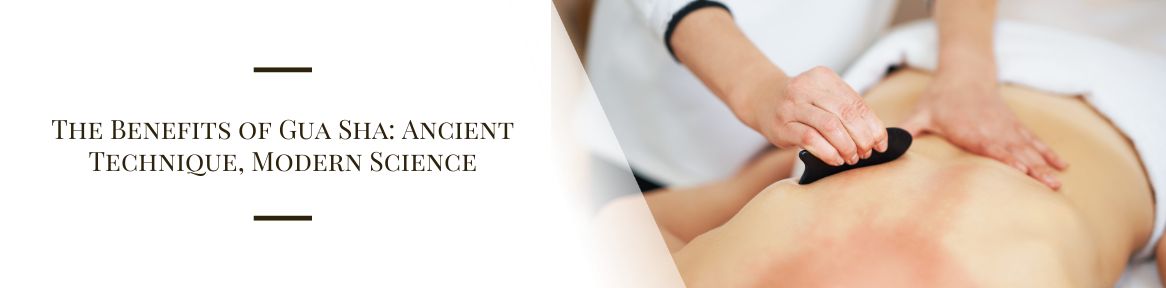
For centuries, practitioners of Traditional Chinese Medicine (TCM) have used Gua Sha to promote healing, circulation, and balance in the body. Think of it as a scraping therapy performed with a smooth-edged tool. Today, it has evolved from a full-body therapeutic practice into a global wellness and skincare ritual used by acupuncturists, massage therapists, estheticians, athletes, and everyday consumers.
But beyond the viral beauty videos and jade tools lies a growing body of research exploring what Gua Sha does physiologically. Surprisingly, many of its claimed benefits like pain relief, improved circulation, reduced inflammation, and lymphatic movement, now have measurable biological explanations. continue reading
Meridian Theory: The Ancient Map of the Body
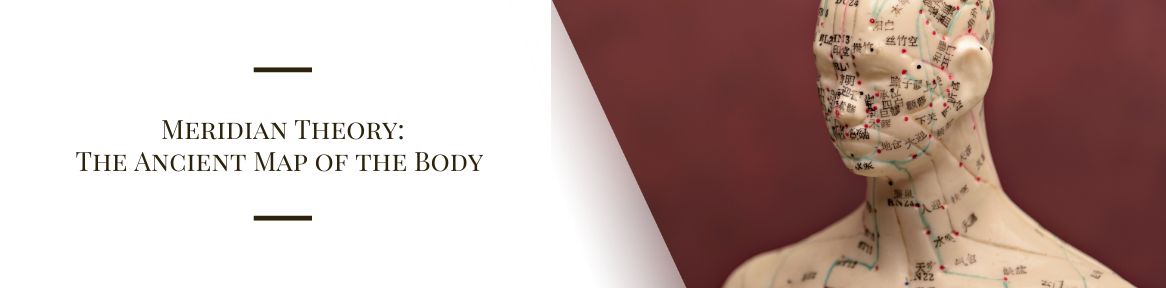
For thousands of years, practitioners of Traditional Chinese Medicine (TCM) have described the human body using a very different “anatomy” than modern Western medicine. Instead of nerves, vessels, and organs alone, they spoke of an energetic network or a communication system linking every structure, function, and sensation.
This network is called the meridian system. Today, interest in acupuncture, fascia research, bioelectric signaling, and integrative medicine has brought Meridian Theory back into scientific conversation. Researchers are now asking: Are meridians symbolic or do they represent real physiological pathways? continue reading
How Acupuncture Complements Sports Medicine: An Integrated Approach
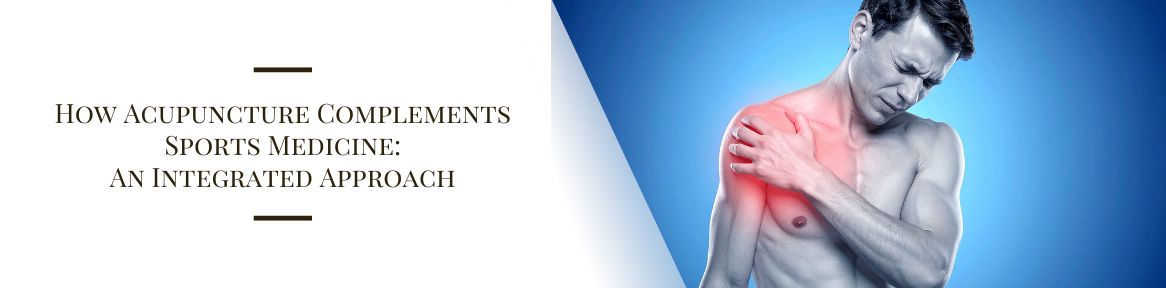
Modern sports medicine has evolved far beyond rest, ice, and painkillers. Today’s athletes, both professional and recreational alike, are increasingly supported by multidisciplinary care teams that may include physicians, physical therapists, athletic trainers, chiropractors, nutritionists, and mental performance coaches. Within this integrated model, acupuncture has emerged as a powerful complementary therapy, bridging ancient medical wisdom with contemporary sports science. continue reading
Cupping + Acupuncture: More Than the Sum of its Parts
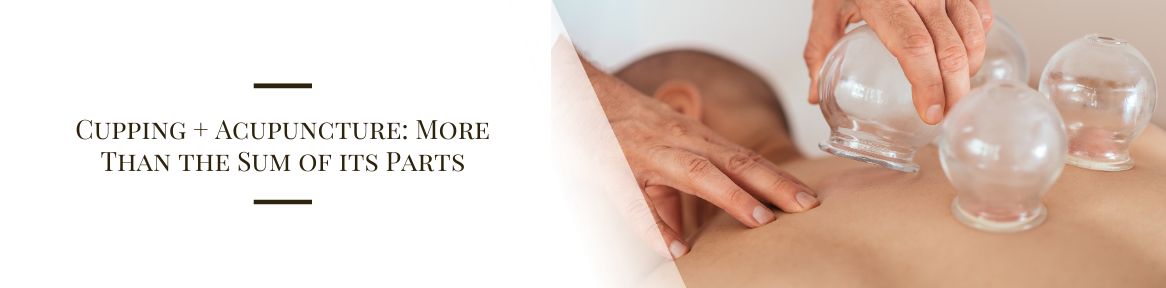 Do any of these scenarios sound like your life: a stubborn knot between the shoulder blades, a low-back flare that keeps returning, or a neck that feels “stuck” after long hours at a desk? Acupuncture needles can calm the nervous system and change pain signaling and cupping can mechanically decompress tight tissue and improve local circulation. Used together thoughtfully and safely they’re often paired to help pain move from “sharp and guarded” to “dull and workable,” and then to “resolved or manageable.” continue reading